The conformation and structure of the horse's mouth, and related areas, should be studied to ensure the correct type and style of bit is used.
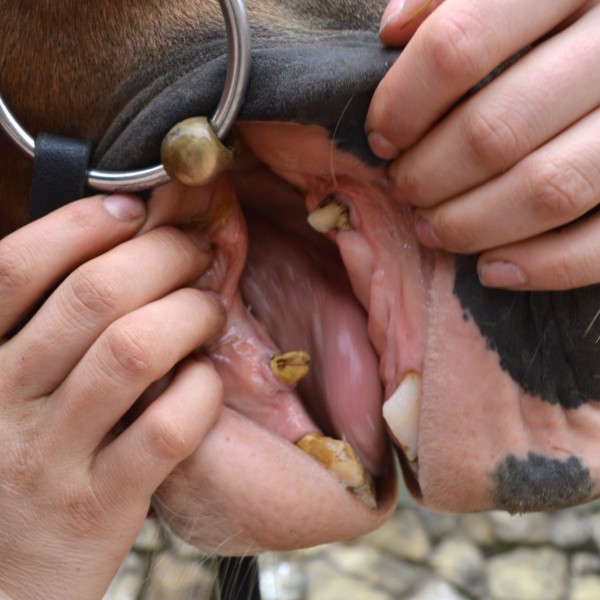
Bars are the gaps, on either side of the jaw, between the molar and incisor teeth. They are a highly sensitive part of the mouth.
Depending on the shape of the mouthpiece, it sits and works on this area at varying degrees.
Equines who have a large tongue are typically less sensitive, as their tongue will spread and cover over this area.
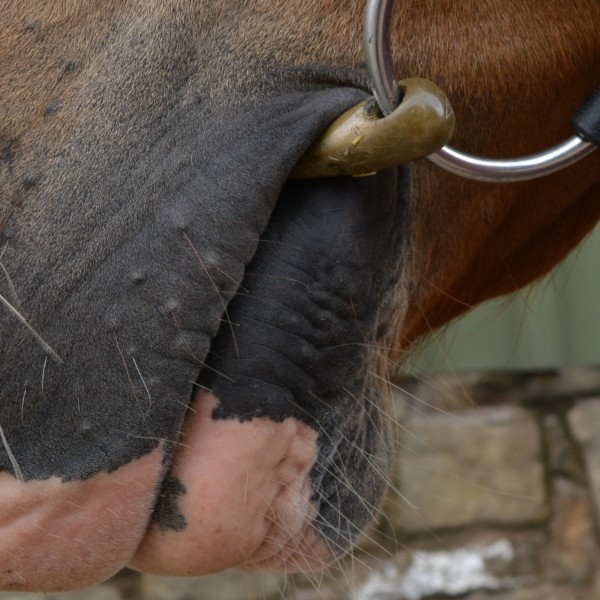
The mouthpiece of the bit works on the corners and lips. Amount of skin around this area ranges between slight to large amounts of flesh.
Lips which lack flesh are referred to as ‘fine mouthed’ and are typically more sensitive. Bits with very thin mouthpieces, or ones with multiple joints, can be too severe. Suggested bits are rubber coated and softer metals.
Lips with thicker or larger amounts of tissue are referred to as ‘thick or fleshy mouths’, they usually lack sensitivity. Bits with a thicker mouthpieces may be too bulky, and sometimes loose-ring bits can pinch this area.
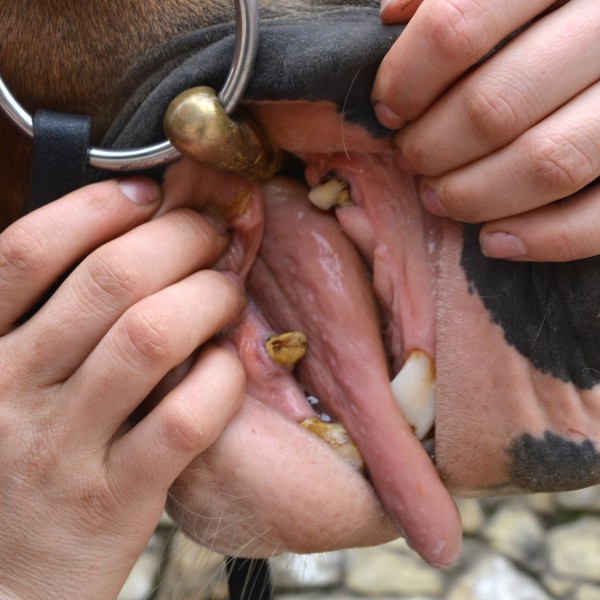
The tongue can range from being small and thin to large and thick. The mouthpiece of the bit works across this area.
A large, thick tongue can reduce responsiveness to the bit as it may spread itself over the bars. It can also limit the amount of room required for the bit. Double or multi jointed and curved mouthpieces are suggested bits, avoiding thick mouthpieces, straight bars and single jointed bits.
A small, thin tongue can make the mouth highly sensitive and responsive. Milder bits are most suited such as ones coated in rubber, or light soft metals. Bits to avoid are multi-jointed or very thin mouthpieces and stronger bits.
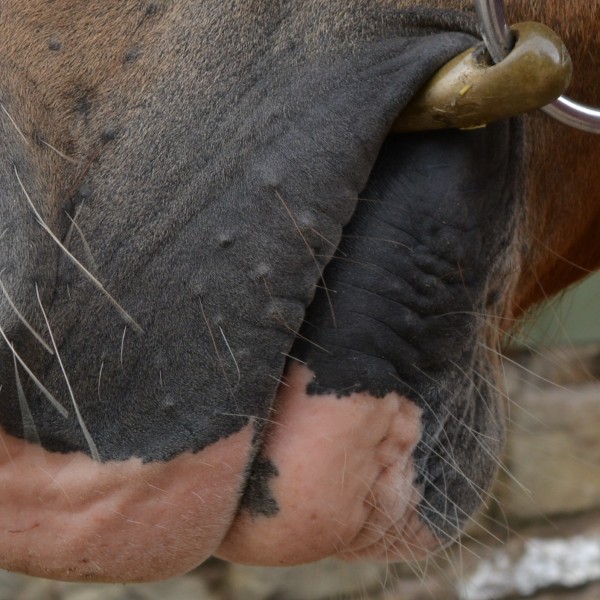
Length of mouth refers to the distance between the corners and muzzle. Varying between short or long, either can create a problem with the position of the bit in the horse’s mouth.
A long mouth can cause the bit to sit too high up in the mouth, lying too close to the molar teeth. Horses with this types of mouth can be known as a “puller” as they can get the bit between their teeth.
Short mouths can cause the bit to sit too low, lying too close to the incisor teeth. The bit may need to be fitted slightly higher so it doesn’t interfere with these teeth. Thinner mouthpieces may be more suited. Fitting of a double bridle may pose a problem as there may not be enough room for the two bits.

Certain bits work against the horse’s cheeks. Typically these types of bits are used to prevent the bit being pulled through the mouth.
They are often worn to help teach young horses to steer, or for behavioural issues such as napping.
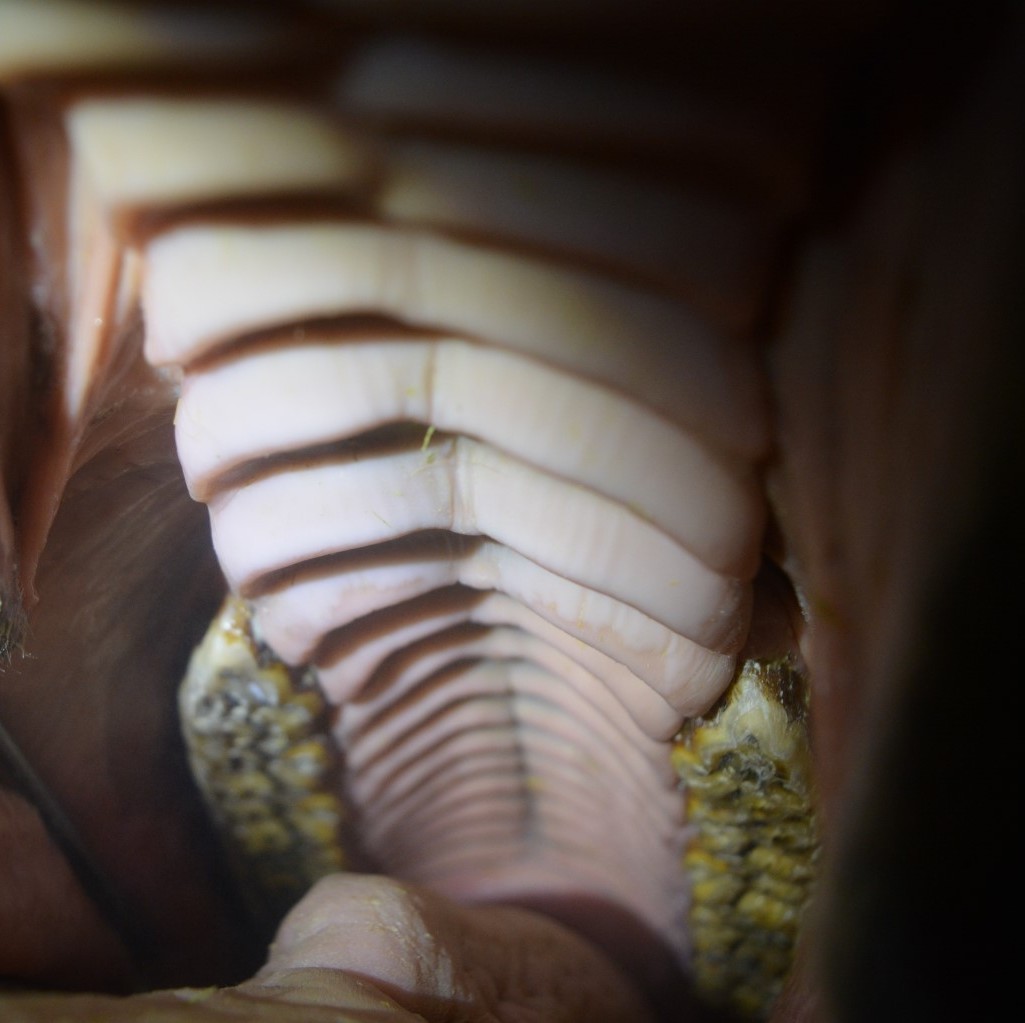
This is an extremely sensitive part of the horse’s mouth and can easily bruise.
Any bit that works on this area should NOT be used.
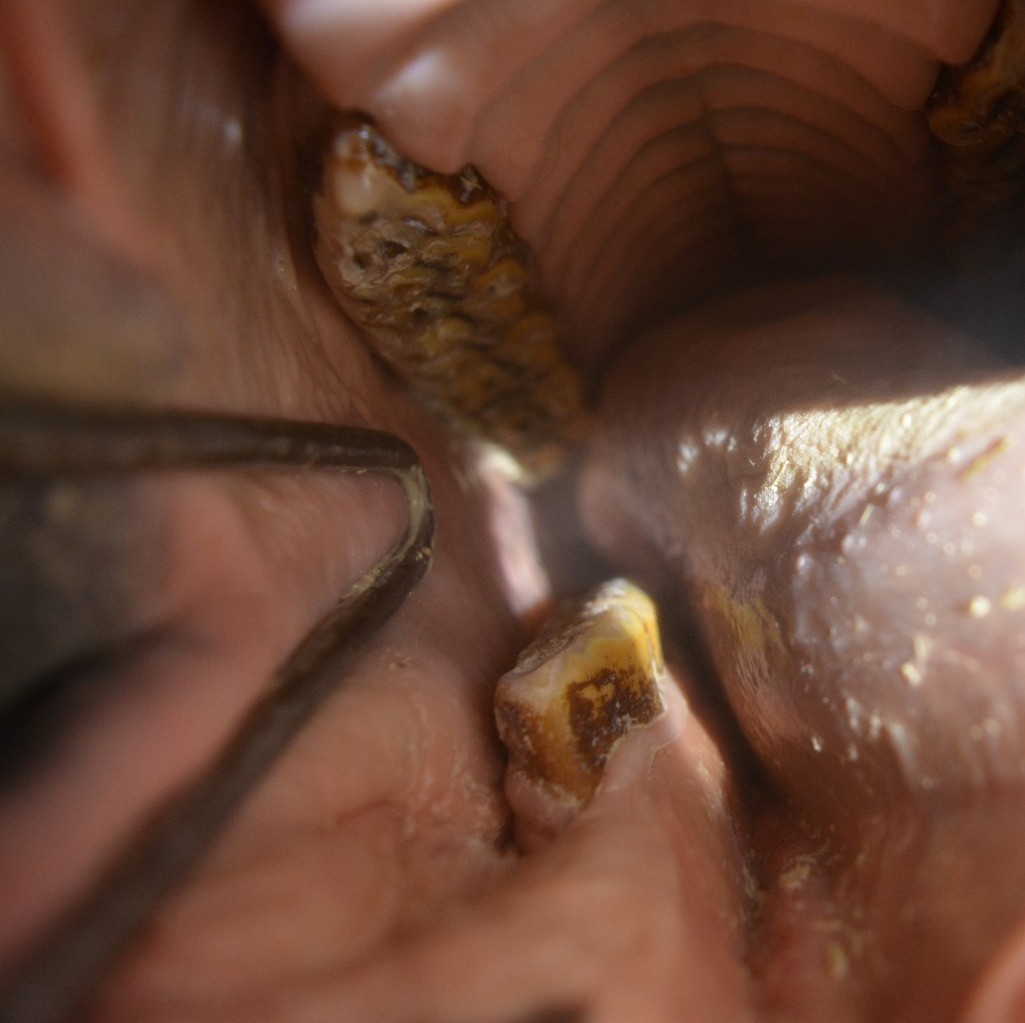
These are short routed teeth situated at the front of the molar teeth. They appear at around 6 months old and usually fall out with the milk teeth. Sometimes they remain present and the bit can rub against them causing discomfort and head shaking. They must be removed by a vet or registered equine dentist.

This is a sensitive area with only a thin covering of skin over the jaw bone. The curb chain is fitted over this area.
It can be difficult to fit a curb chain to a long jaw bone and mouth, as it can ride up above the chin groove causing discomfort for the horse.

The poll is an extremely sensitive part of the horse’s head due to the high quantity of nerves surrounding this area.
Extreme care should be taken when using any bits that work on this area.
Bitless bridles place large amounts of pressure on the poll.