The bit-rings play a fundamental part in the action of the bit. They appear in a variety of shapes and sizes and influence the effect of the mouthpiece, whilst also assisting with the steering of young, or untrained equines.
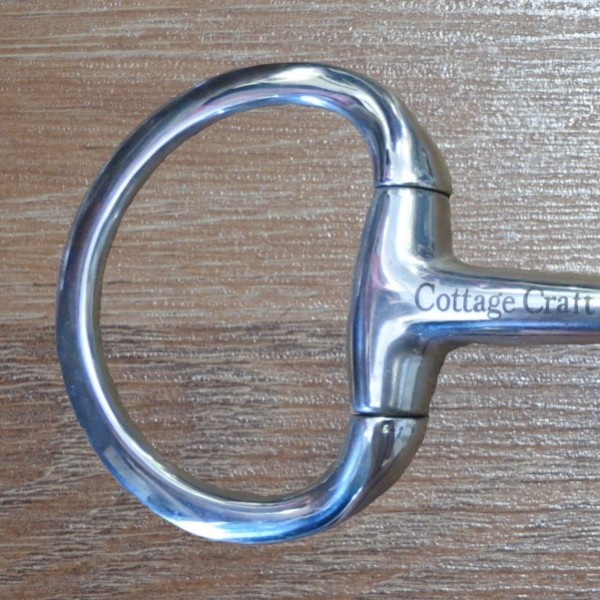
The eggbutt ring helps encourage a still mouth, but due to being fixed it can prompt the horse to lean against the bit.
It will not pinch or rub the corners of the mouth, so it is suitable for horses with fleshy lips.
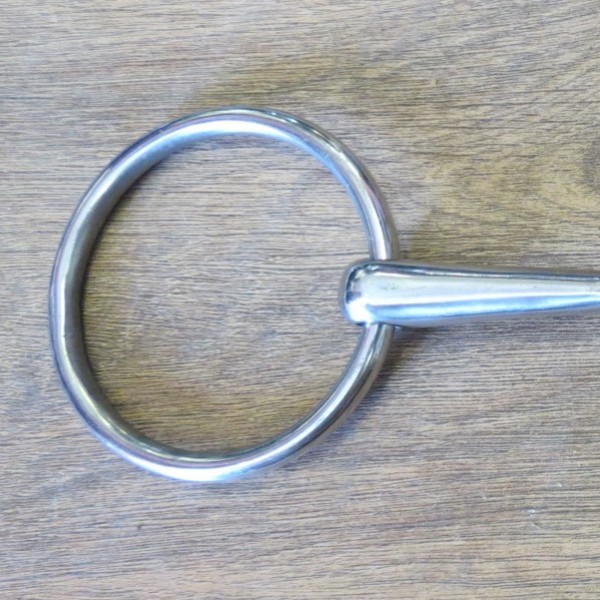
Moveable rings attached to the mouthpiece help to prevent the horse leaning and fixing on the bit.
If the horse’s lips are large and fleshy it can pinch the corners of the mouth.
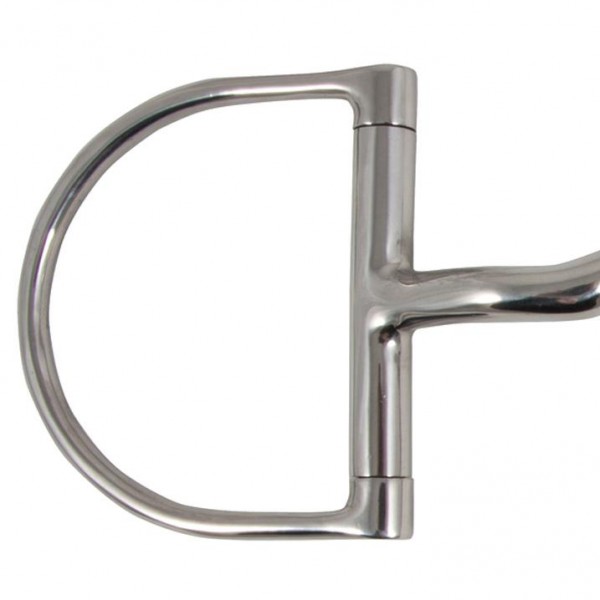
The ‘D’ works the same as an eggbutt, but the shape helps to prevent the bit being pulled through the mouth.
Used for horses that are difficult to turn, or open their mouth. It is often seen on race horses.
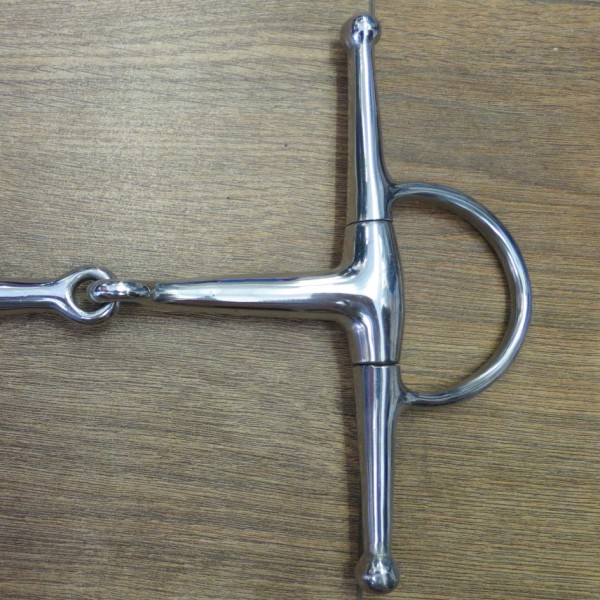
The fixed full cheek helps to prevent the bit being pulled through the horse’s mouth.
By applying pressure on the cheeks, they can assist turning the young or untrained horse.
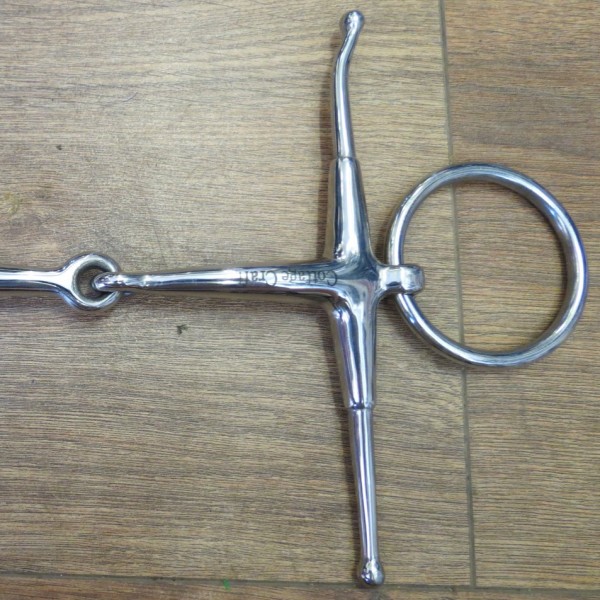
The fulmer works in the same manner as the fixed full cheek snaffle.
If keepers are attached from the upper cheeks to the cheekpiece the bit will also apply pressure on the poll.
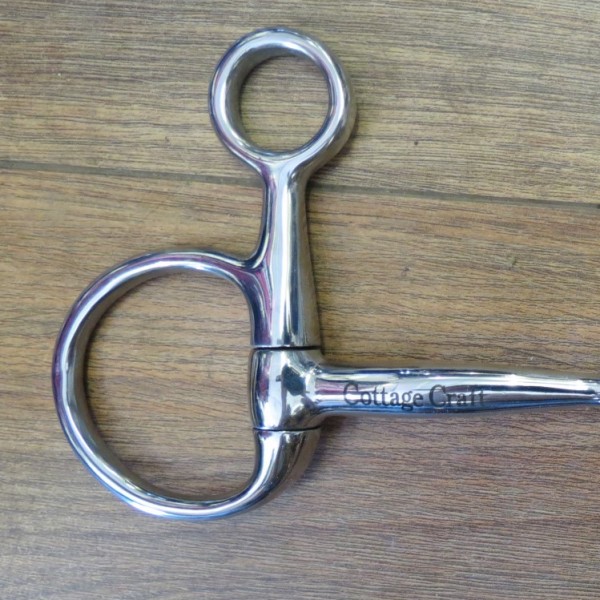
The cheekpieces are attached to the upper area of the bit, whilst the reins fasten to the main bit-rings.
When pressure is applied down the reins the bit angles slightly in the horse’s mouth, this then applies pressure on the cheekpieces which places tension onto the poll area.
It is used to encourage the horse to lower their head and neck.
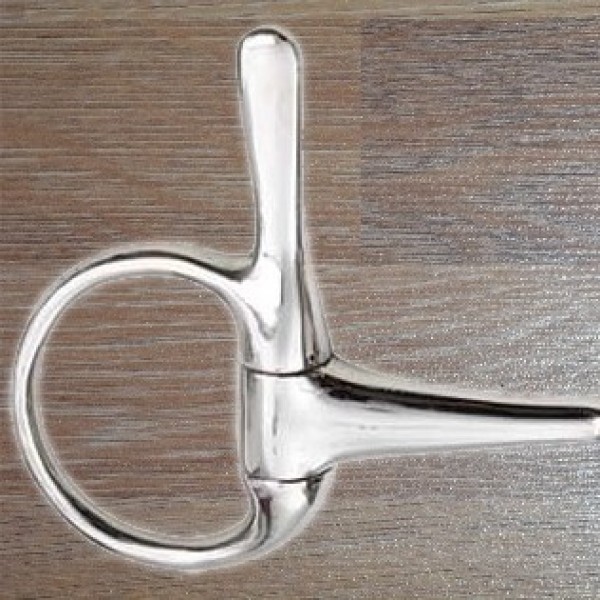
The half cheek snaffle applies pressure on the upper part of the horse’s face and work the same as full cheek.
It is used for safety to prevent the lower half (seen on the full cheek snaffle) getting caught on gateways, or martingales.
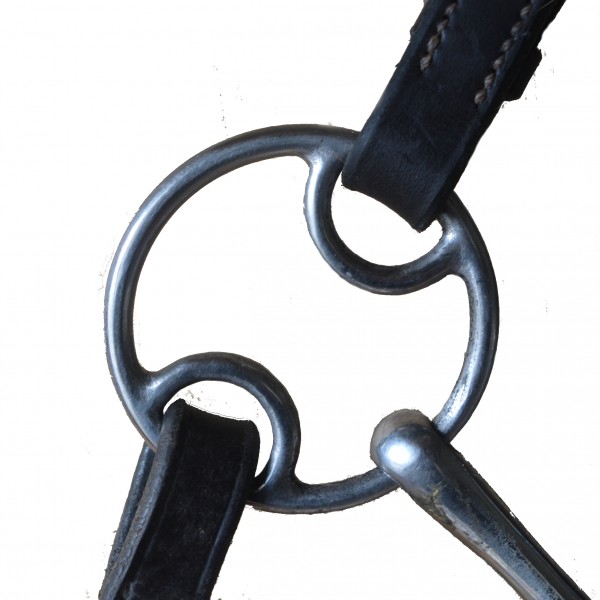
Also referred to as a beveled bit, the cheekpieces are attached to the upper ring whilst the reins are fitted on the lower ring.
When pressure is applied down the reins the bit angles slightly in the horse’s mouth, this then applies pressure on the cheekpieces which places tension onto the poll area.
Used to encourage the horse to lower their head and neck.
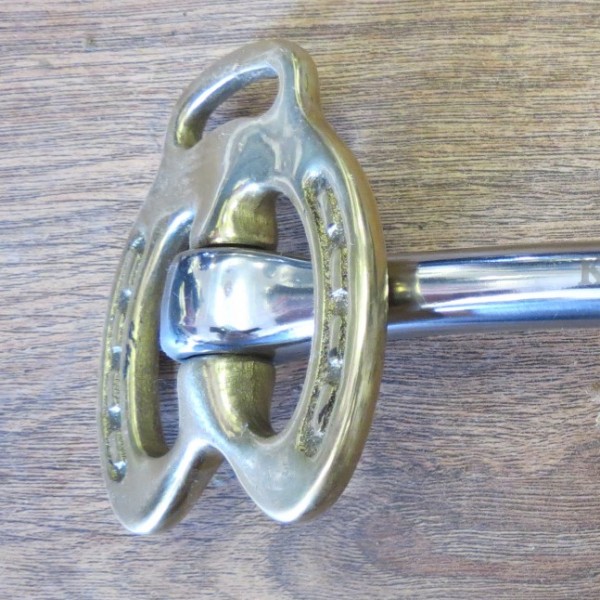
Used in the show ring for in-hand classes to offer more control and improve appearance of the horse.